Talking to strangers
What the AMA Conference reminded me about communication

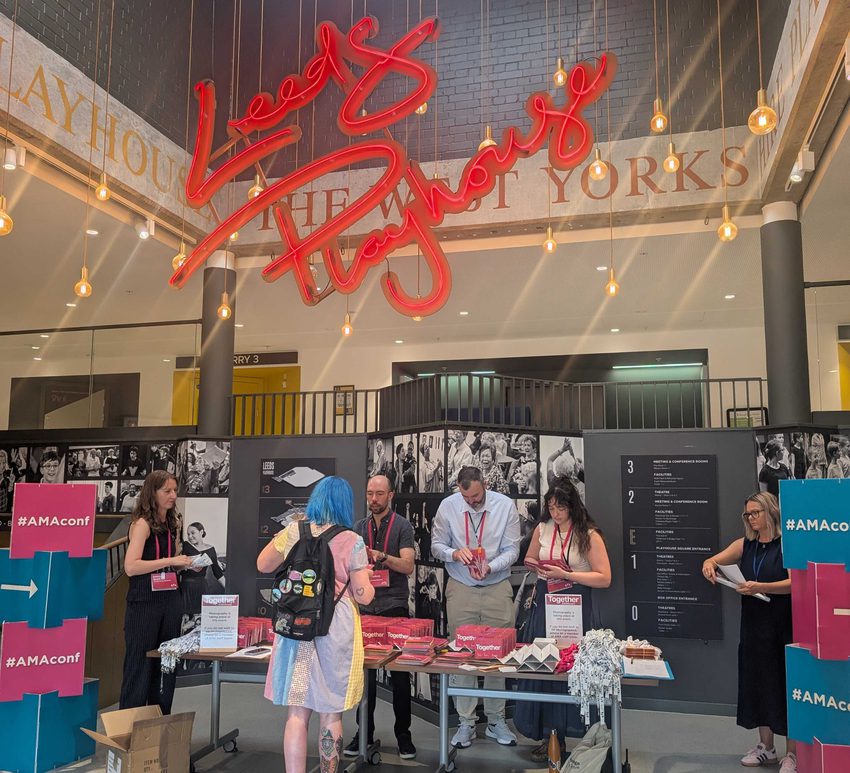
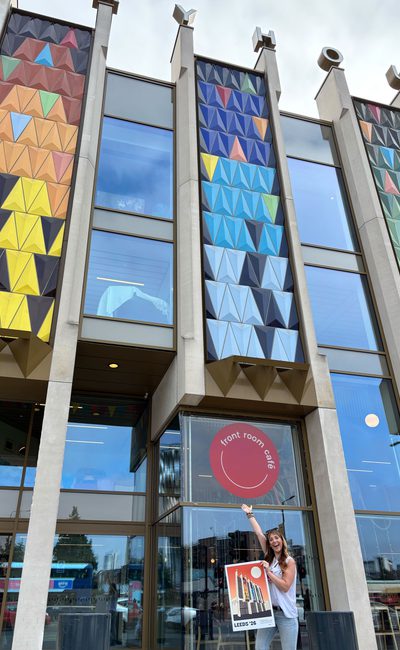
Last week I headed to Leeds Playhouse for my first ever Arts Marketing Association (AMA) Conference. I'd heard good things, but nothing quite prepares you for walking into a room full of people you don't know and being expected to, well, talk to them.
This year's conference theme was Together and, honestly, it showed. People were generous with their time, enthusiastic about their projects, willing to be open about what wasn't working, and genuinely curious about each other's work.
It got me thinking about something that came up again and again across the sessions: communication only really works when it's honest.
Networking is just talking, but braver
I'll admit I went in a little nervous. Networking has a reputation for being transactional and a bit stiff; all business cards and smalltalk.
But what I found at AMA was the opposite. The easiest conversations I had all started the same way: someone being upfront. "I don't really know anyone here, do you mind if I join you?" or "I'm new to this, what's your take on the last session?" No games, no waiting for the perfect opening line. Just directness.
That's the thing about awkwardness: it mostly exists in the pause before you say something. The moment you name it ("First time here, feeling a bit out of my depth!") it tends to dissolve, because everyone else is thinking the same thing. The moment the first person is brave enough, you realise you're all in the same boat. And saying so out loud is often the best icebreaker there is.
Directness isn't just for icebreakers
This isn't just a networking observation; it ran through the sessions too. One question kept resurfacing: how do we actually explain our value to clients, to audiences, to communities?
My take is that the answer is the same one that makes a good icebreaker work: ask, don't assume. Have we asked our audiences (or clients, in our case) what they want, rather than deciding for them?
It's a very "together" way of looking at things. And it's why the proverb quoted by Gracie Divall in the Creating Cohorts session stuck with me: "If you want to go fast, go alone. If you want to go far, go together."
AMA's own Together We Act research seemed to echo the same spirit. The sense that this sector, in particular, moves further when people compare notes rather than trying to work it out alone.
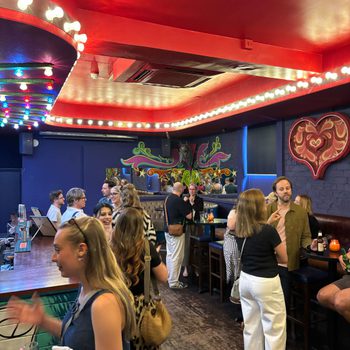
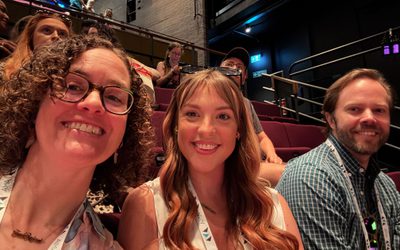
Conference snapshots
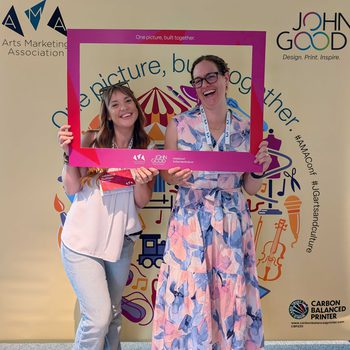
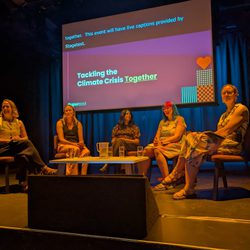
What I'm taking back to my desk
It's easy to nod along to all this at a conference. The real test is whether it changes how you actually work.
A new website is rarely just a website. It sits alongside funding pressures, board expectations, or genuine nerves about getting something that's so publicly and professionally visible, right.
So here's what I'm committing to: making sure that I’m regularly inviting questions from our clients, and creating a space where honesty and openness feel comfortable, rather than risky.
I'll ask the questions and genuinely sit with the answer, even when it surprises me. And if you've got a question about your project, please ask it! I'd rather have that open conversation than let something sit unsaid. That's how the best client relationships work, and it's exactly the kind of trust we want to build with everyone we work with at Supercool.
If AMA taught me anything this year, it's that being upfront isn't a risk – it's the shortcut to getting somewhere good, together.